 MAB Reviewed
Aching, Stiff, and Ignored No More: How to Navigate Menopausal Joint Pain
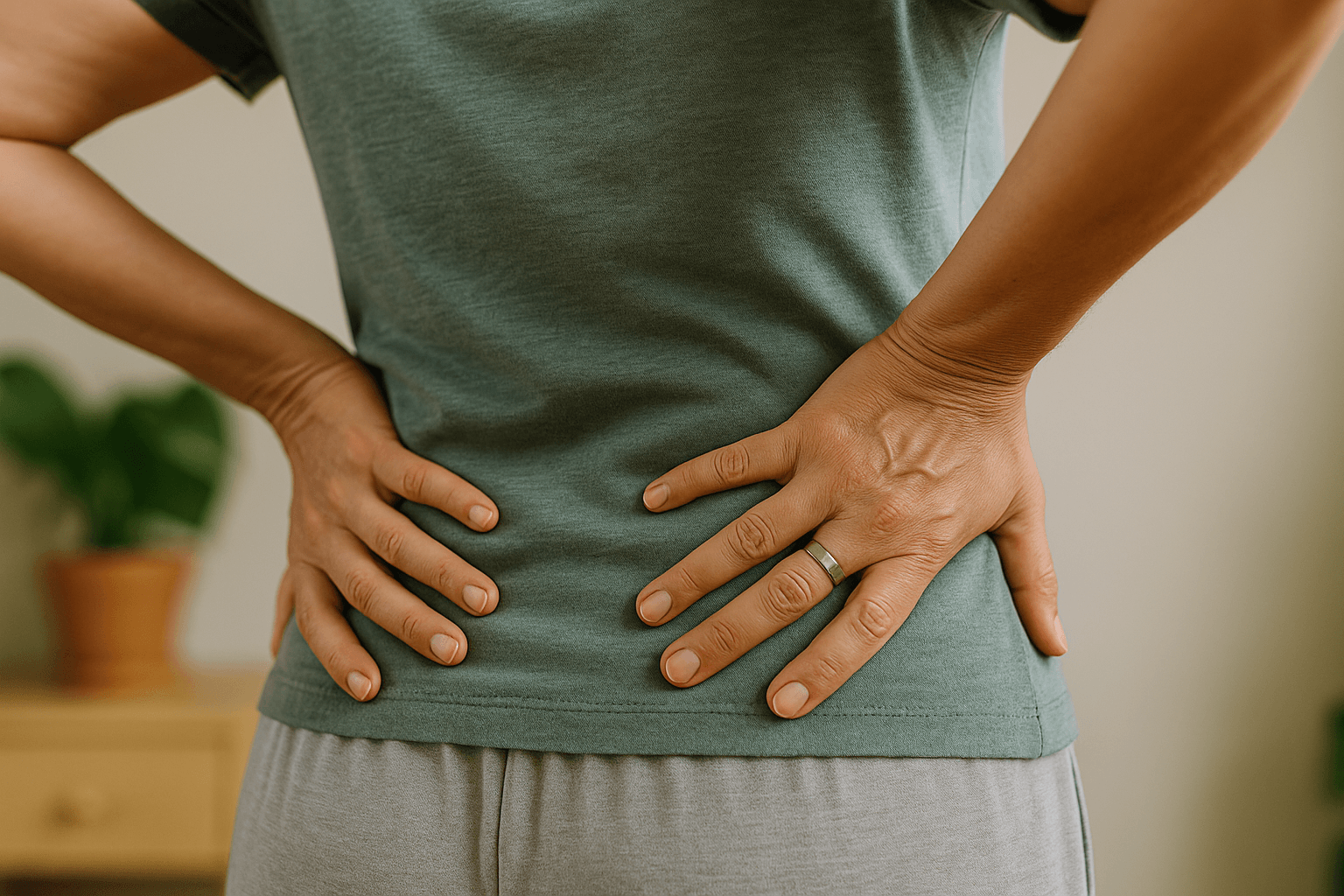
Up to 70% of women in menopause experience joint pain from hormonal changes, often as stiffness, aching, or arthritis in the knees, hips, hands, or spine. Aging and weight gain can worsen symptoms, but relief is possible through exercise, weight management, healthy habits, pain relievers, and therapy. Tracking symptoms helps guide long-term care.
Written by Simona Byler

Reviewed by Dr. Tara K. Iyer
Director, Menopause & Midlife Clinic, Brigham and Women’s Hospital
Understanding menopause and joint pain
You’re already aware that menopause can affect your body in a myriad of ways, and your bones and joints are no exception. Joint pain falls under the umbrella of musculoskeletal symptoms, which affect an estimated 70% of menopausal women.
Musculoskeletal menopause symptoms
In addition to joint pain, musculoskeletal symptoms that occur during the menopause transition also include:
Decreases in bone density
Loss of lean muscle mass
With these compounding symptoms, it’s no wonder you might feel achy and stiff, and it’s certainly not something to ignore.
Arthralgia vs. osteoarthritis
Menopausal joint pain can come from different sources and manifest in different ways. Two major players are arthralgia and osteoarthritis (OA).
Understanding both can help you track your symptoms and discuss your options with your healthcare provider. Let’s look at the definitions of each.
Arthralgia
The medical term for painful joints, arthralgia is a subjective symptom: it’s something you feel, but not something you can see on X-ray or detect with a blood test.
However, that doesn’t make menopausal arthralgia any less real! Over half of peri- and postmenopausal people experience painful, stiff joints.
Osteoarthritis (OA)
The most common type of arthritis, OA is a condition that occurs when the cartilage between bones wears down. For everyone, it’s an inevitable effect of time and aging: think of it like wrinkles on the inside.
OA can—but doesn’t always—cause joint aches and stiffness, impact joint flexibility and function, and lead to chronic pain.
You might feel the effects of OA in your knees, hips, and spine. For those going through or post-menopause, OA often affects multiple joints, including the small joints in your hands.
Joint pain and osteoarthritis: Key points
The line between arthralgia and arthritis is blurry. Studies often fail to differentiate between the two, so the burden each causes the menopausal population isn’t entirely clear.
However, behind their definitions are a few crucial takeaways: not all painful joints are related to OA, and not every joint with OA causes pain.
Both arthralgia and OA are more common in peri- and postmenopausal women than in premenopausal people and men. Joint pain is a very common, very real symptom, regardless of its medical cause.
Causes of joint pain in menopause
If you’re wondering if menopause can cause joint pain, the short answer is yes. Although we need more research on the exact mechanisms, it’s safe to say that menopause and joint pain are connected.
Estrogen plays a significant role in the musculoskeletal system, promoting bone and joint health for folks of all genders. So what happens when estrogen hormone levels start decreasing?
How aching joints, menopause, and estrogen are related
Studies have found estrogen receptors in cartilage, ligaments, bone, and joint lining—basically, all the important parts of any given joint. The presence of these receptors suggests that estrogen helps keep these joint tissues healthy. When estrogen levels drop, menopausal joint pain can set in.
Hormonal changes can influence joint pain in several ways. A few to consider include:
Estrogen helps to regulate inflammation and prevent arthralgia.
As such, joint pain can increase during the menopausal transition and often peaks shortly after menopause begins. However, this shift often fails to appear on MRI scans and doesn’t always require specific treatment.
Compared to men and other people who don’t transition through menopause, menopausal people are much more susceptible to developing OA.
Hormonal changes may be part of the problem. Between the ages of 50 and 60, women are 3.5 times more likely than men to develop hand OA, 40% more likely to develop knee OA, and 10% more likely to develop hip OA.
Postmenopausal women are more likely to deal with low back pain than premenopausal women and men.
Intervertebral disc (IVD) degeneration and facet joint OA are quite common with age, and animal studies show that estrogen decline might make them worse.
These issues might—but don’t always!—cause back pain. The experience of pain is a complex process that involves both the brain and body, so it’s rare for a single problem, such as OA, to be the only driver.
Aromatase inhibitor (AI) therapy and tamoxifen are common medications for those with estrogen receptor-positive breast cancer. These treatments lower estrogen levels, which can trigger menopause-related joint pain and stiffness in up to 50% of patients.
When joint pain becomes chronic
Some stiffness can be expected with aging, but worsening joint pain isn’t something to brush off as “normal.” It can progress into chronic pain and disability, especially if left untreated.
Those dealing with severe perimenopausal symptoms are more likely to develop OA and chronic back pain. Compared to men, women also tend to experience more debilitating pain from arthritis.
Chronic pain can disrupt your daily routines and make basic tasks feel heavy, both physically and emotionally. Mood changes during menopause—such as anxiety and depression—can heighten your sensitivity to pain, creating a feedback loop that amplifies symptoms.
With one in four women reporting severe musculoskeletal symptoms during the menopausal transition, it’s time to give menopause joint pain the attention it deserves.
Treating joint pain in menopause
While there’s no quick fix for treating joint pain in menopause, there are many options to address it if you’re patient and willing to put in some effort.
Exploring your options with a healthcare provider is an important first step. Talk to your doctor about over-the-counter medications, prescriptions, and therapies that can help. Let’s discuss a few treatment options for menopause joint pain.
Manual physical therapy
This is a hands-on approach for which you’d work with a healthcare professional, such as a physical or occupational therapist. The therapist uses their hands and sometimes other tools to improve the mobility and function of your muscles, joints, nerves, and connective tissue.
A review of five studies found that hands-on physical therapy improved musculoskeletal pain in menopausal women. However, these studies were small and had a high risk of bias, so their findings aren’t conclusive.
Regular exercise
Regular physical activity is often a first recommendation for improving joint health, especially during menopause. Low estrogen levels can cause you to lose muscle and power, affecting your ability to complete daily activities. While any type of activity is great, weight training is particularly beneficial after menopause.
Performing weight-bearing exercises with heavier weights and fewer repetitions is an effective way to increase your muscle power. Strength training not only fights against muscle loss, but it can also lower your risk of falls and bone fractures. As we age, avoiding injury is essential to reducing long-term musculoskeletal pain.
Weight management
Weight gain is a common complaint during menopause, and obesity rates are higher among menopausal women. Dealing with weight gain can be frustrating, and it can also impact joint health.
Body mass index (BMI) is an imperfect measure. However, a higher BMI is associated with musculoskeletal pain, especially knee pain, back pain, joint stiffness, and swelling of the hand joints. Poor health is also linked to joint and muscle pain, showing the importance of staying healthy and active as we age.
If you’re experiencing joint pain, focusing on weight loss when needed, getting regular exercise, and staying healthy can help you manage your symptoms.
Pain medications
There are plenty of medications that can provide temporary relief from musculoskeletal pain. Talk with your healthcare provider, as they may recommend short-term use of an over-the-counter painkiller such as Advil or Tylenol.
For longer-term use, they may suggest a prescription cream that delivers pain medication into the area of pain. Other oral prescriptions can reduce joint pain and other perimenopausal symptoms such as hot flashes.
What about menopausal hormone therapy (MHT)?
The links between estrogen deficiency, OA, and joint pain exist… but still aren’t entirely clear. Several studies, including the Women’s Health Initiative, have found that people using hormone therapy that includes estrogen reported less joint pain and stiffness.
While the research is promising, there isn’t yet enough data to recommend MHT as a first-line treatment for joint pain.
Tracking your joint pain matters
Knowledge is power, especially with menopausal joint pain. You’re the only person who can measure how much pain and stiffness you feel each day. Tracking gives you a record of your pain, making it a powerful tool for both you and your healthcare provider.
Using a smartwatch-enabled tracking system can give you deeper insight into your symptoms: how they progress, whether lifestyle changes are helping, and how stress might influence your pain.
Treatment for joint aches isn’t straightforward, but it’s best to address it early before it worsens or interferes with your daily life. Keeping a record of your joint pain, stiffness, and mobility can help you accurately inform your healthcare provider of your symptoms and confidently advocate for yourself when necessary.
Questions to ask your provider
Whether it’s a dull ache or persistent pain, menopausal joint pain is worth addressing. Here are a few questions you can ask your provider about this complex symptom:
I’ve been tracking my joint pain on my smartwatch for the past [X] months, and I’ve noticed some changes. Can I show you the progression of my symptoms and get your opinion?
I’m experiencing joint pain that’s negatively impacting my life. I’m aware that there’s no magic pill to fix it, but can we discuss some potential treatment options?
DISCLAIMER
This article is intended for educational purposes only, using publicly available information. It is not medical advice, and it should not be used for the diagnosis, treatment, or prevention of disease. Please consult your licensed medical provider regarding health questions or concerns.
Want support through the transition?
Sign up for early access to Amissa and stay informed as we grow.