 MAB Reviewed
Hot, Sweaty, and Awake All Night: What to Know About Perimenopause Insomnia
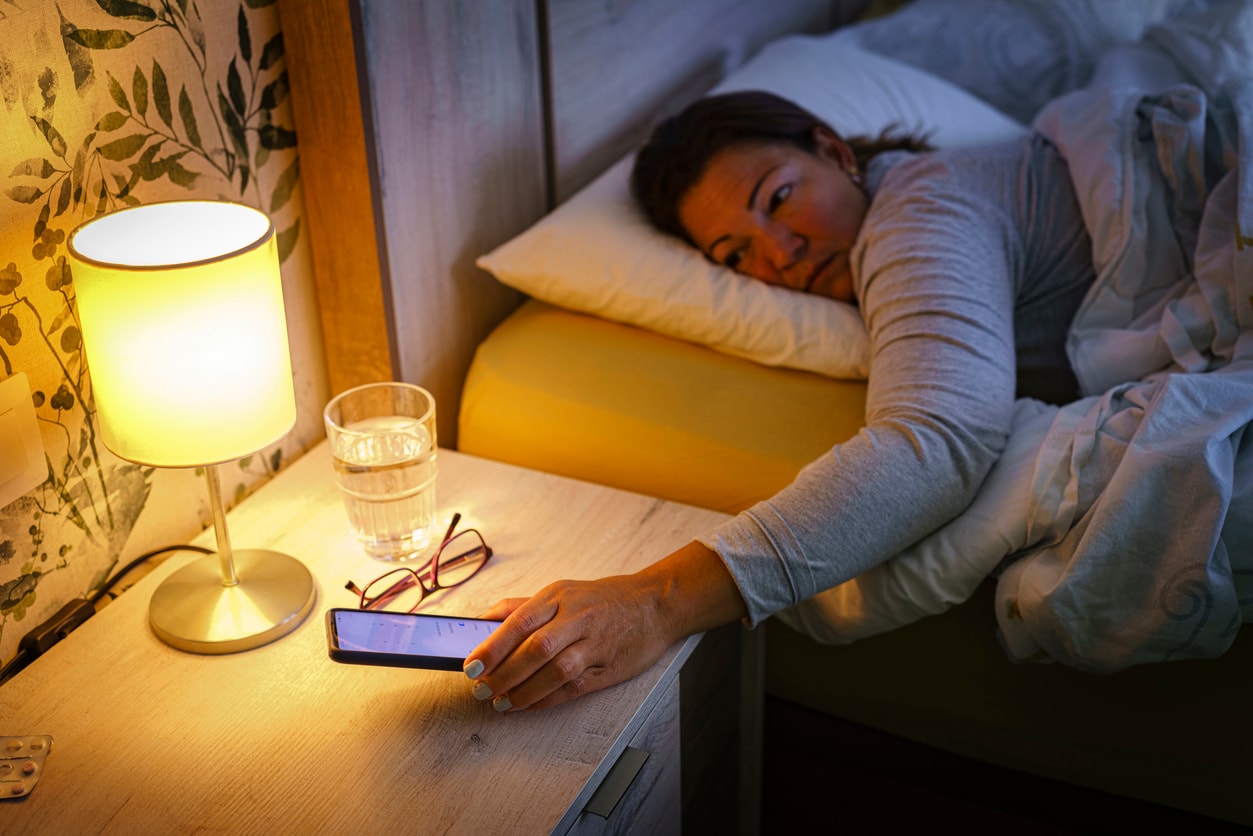
Up to 69% of women in perimenopause and menopause struggle with sleep problems, often due to night sweats, hormonal shifts, or mood changes. Tracking your sleep can reveal patterns, guide treatment, and help restore rest.
Written by Simona Byler

Reviewed by Dr. Aviva Stein
OB/GYN & Certified Menopause Practitioner, Atrium Health / Advocate Health
If you’re having trouble staying asleep during the menopause transition, know this: It’s not happening just because you’re getting older. Sleep disturbances are one of the most common—and most frustrating—menopausal symptoms.
Up to 69% of perimenopausal and postmenopausal women report experiencing sleep difficulties . But why does your sleep quality start to decline during perimenopause, and what can you do about it? Let’s discuss.
Sleep disorders and problems during perimenopause
Perimenopause can affect all aspects of your sleep, including how long you sleep, your ability to stay asleep, and your overall sleep quality.
However, frequent nighttime awakenings are the most defining characteristic of sleep problems during perimenopause . While you might not have difficulty falling asleep initially, these nighttime awakenings mean that you spend more time awake after initial sleep onset.
26% of peri- and postmenopausal people have severe sleep symptoms that interrupt their daytime functioning . Menopause-related sleep disorders and changes can affect you even if you don’t have a history of sleep problems .
What causes perimenopausal sleep problems?
While everyone knows what a bad night’s sleep feels like, menopause can affect your sleep in very unique and profound ways. These include:
Vasomotor symptoms: Night sweats are a common vasomotor symptom that can cause significant sleep disruptions .
Hormonal changes: Perimenopause-specific changes in estradiol (a type of estrogen) and follicle-stimulating hormone can cause sleep disturbances. These results hold true even when controlling for age: more evidence that your sleep problems aren’t happening just because you’re getting older !
Mental health: Depressive symptoms are more common during the menopause transition, and depression and sleep disorders often interact and co-occur .
Sleep-disordered breathing: Postmenopausal women are at a higher risk for breathing conditions, such as sleep apnea, which can impact sleep quality .
Take care of your health with sleep tracking
Nearly 70% of midlife women deal with sleep disturbances, but the number who qualify for an insomnia diagnosis is much lower . When left untreated, chronic insomnia can lead to long-term physical and mental health problems .
Tracking your sleep during peri- and postmenopause helps make sure your symptoms don’t go by unnoticed by you or your doctor.
Your smartwatch can give you objective, but incomplete, data on your sleep disturbances. Manually logging your perceived sleep difficulties provides you with further insight: how night sweats, anxiety, and other menopause symptoms influence your sleep quality.
Tracking equips you with powerful data—both subjective and objective—that can help guide conversations with your doctor and ensure you receive the menopause-specific treatment you need.
DISCLAIMER
This article is intended for educational purposes only, using publicly available information. It is not medical advice, and it should not be used for the diagnosis, treatment, or prevention of disease. Please consult your licensed medical provider regarding health questions or concerns.
Want support through the transition?
Sign up for early access to Amissa and stay informed as we grow.