 MAB Reviewed
Is That Pain Normal? What to Know About Period Cramps During Perimenopause
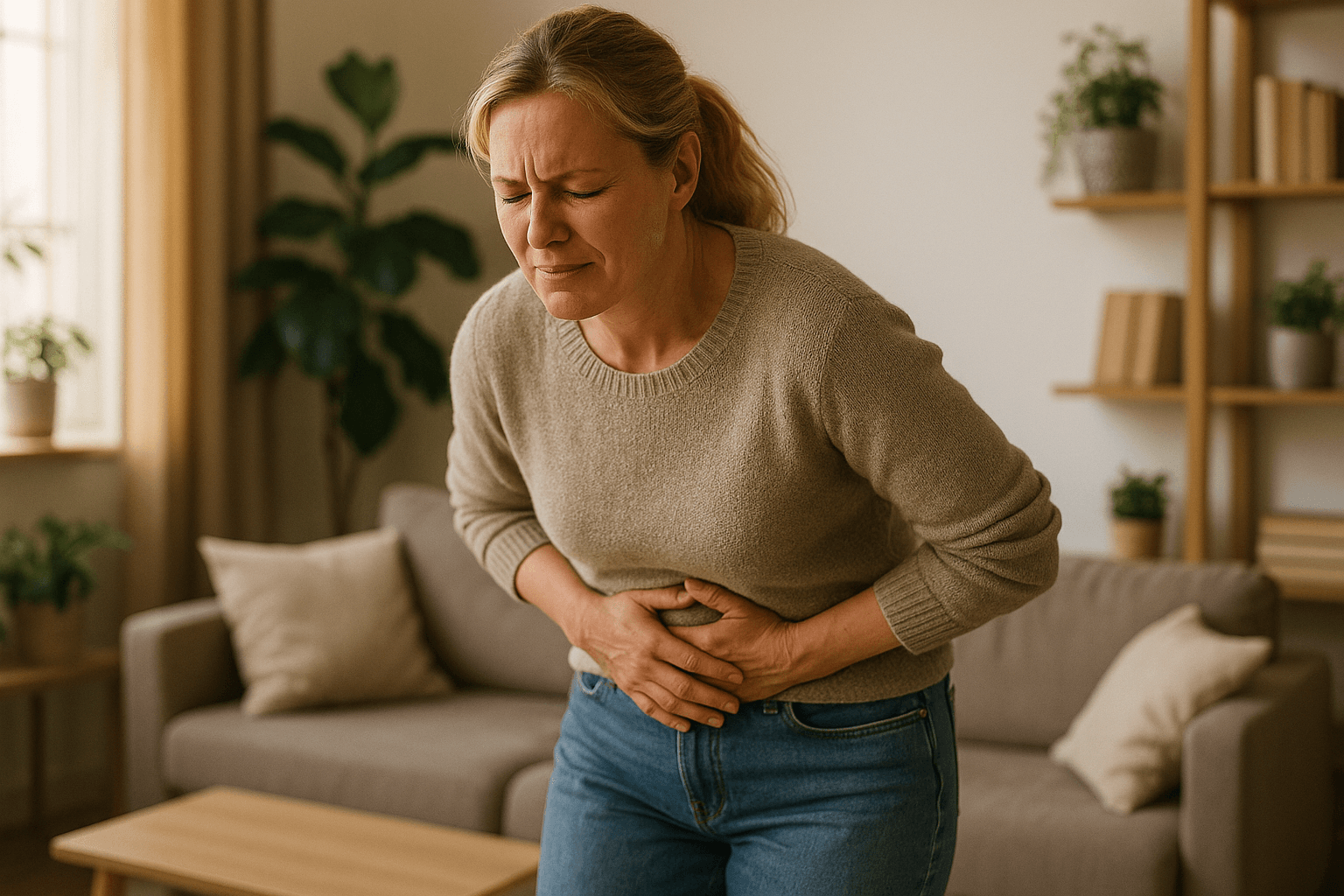
Menstrual changes are often an early sign of perimenopause, and cramps may become more intense, less frequent, or simply different. These shifts are tied to fluctuating hormones and prostaglandins, which trigger uterine contractions and pain. Tracking cramps can reveal patterns, underlying conditions, and guide better relief strategies with your provider.
Written by Emilie Pauwels

Reviewed by Dr. Tara K. Iyer
Director, Menopause & Midlife Clinic, Brigham and Women’s Hospital
One of the first signs that menopause is approaching is a change in your menstrual cycle . When your cycle changes, so can its associated symptoms, including those lovely menstrual cramps.
During perimenopause, shifting hormone levels can make your periods more unpredictable. You might notice changes in how long your period lasts, how often it comes, and how much cramping you feel . You may also experience heavier bleeding than you used to .
The silver lining? Many people find that period cramps become less frequent with age . Let’s take those wins when we can get them!
What causes period cramping?
Menstrual cramps, also known as dysmenorrhea, are cramping or throbbing pains in the lower abdomen that usually occur with your period . When they occur in the absence of an underlying medical condition, doctors call the condition “primary dysmenorrhea" .
Painful cramps are among the most common gynecological symptoms and can also coexist with nausea, vomiting, diarrhea, or back pain . For some, period cramps are just a pain (literally...), but for others, they can seriously disrupt daily life .
The research is still ongoing, but most experts agree that menstrual cramps are probably caused by prostaglandins, hormone-like chemicals that trigger the uterus to contract and shed its uterine lining .
These contractions reduce the flow of blood and oxygen to the tissues in and around the uterus, and this low-oxygen environment can cause pain and other symptoms.
The intensity of cramping can vary depending on several factors, including your body weight, ethnicity, and the length of your menstrual cycle . Everyone’s experience is different, and that’s normal!
Should I track my cramps?
Tracking the intensity of your menstrual cramps in relation to your menstrual cycle can give you valuable insights. For example, cramps can help you estimate your cycle stage: cramping usually starts just before the beginning of menstrual bleeding . Mid-cycle pain may also occur due to ovulation .
Balanced nutrition and regular exercise can reduce the severity of period cramping . It can help to track these metrics, especially if you need a little motivation to stick with healthy habits when you aren’t feeling your best!
Cramping pain may also signal an underlying medical issue, especially if it appears later in life: doctors call this “secondary dysmenorrhea" . New or worsening cramps could be due to underlying conditions such as :
Uterine fibroids
Endometriosis and its related condition, adenomyosis
Some people who use an intrauterine device (IUD) experience cramping pain related to the device .
This is why it’s so important to talk to your healthcare provider about new pain symptoms. Tracking can help you prepare for these conversations.
Remember: not all abdominal pain is related to menstruation. Abdominal pain and cramping are also the main symptoms of irritable bowel syndrome (IBS) .
Keeping a log of your symptoms—when they occur, what triggers them, how severe they are, and how long they last—can help you and your doctor rule out other conditions. That’s where tools like Amissa can help.
By tracking what you feel, you empower yourself with information and better control over your health.
DISCLAIMER
This article is intended for educational purposes only, using publicly available information. It is not medical advice, and it should not be used for the diagnosis, treatment, or prevention of disease. Please consult your licensed medical provider regarding health questions or concerns.
Want support through the transition?
Sign up for early access to Amissa and stay informed as we grow.