 MAB Reviewed
Migraines in Perimenopause: Why Your Head Hurts and What Can Help
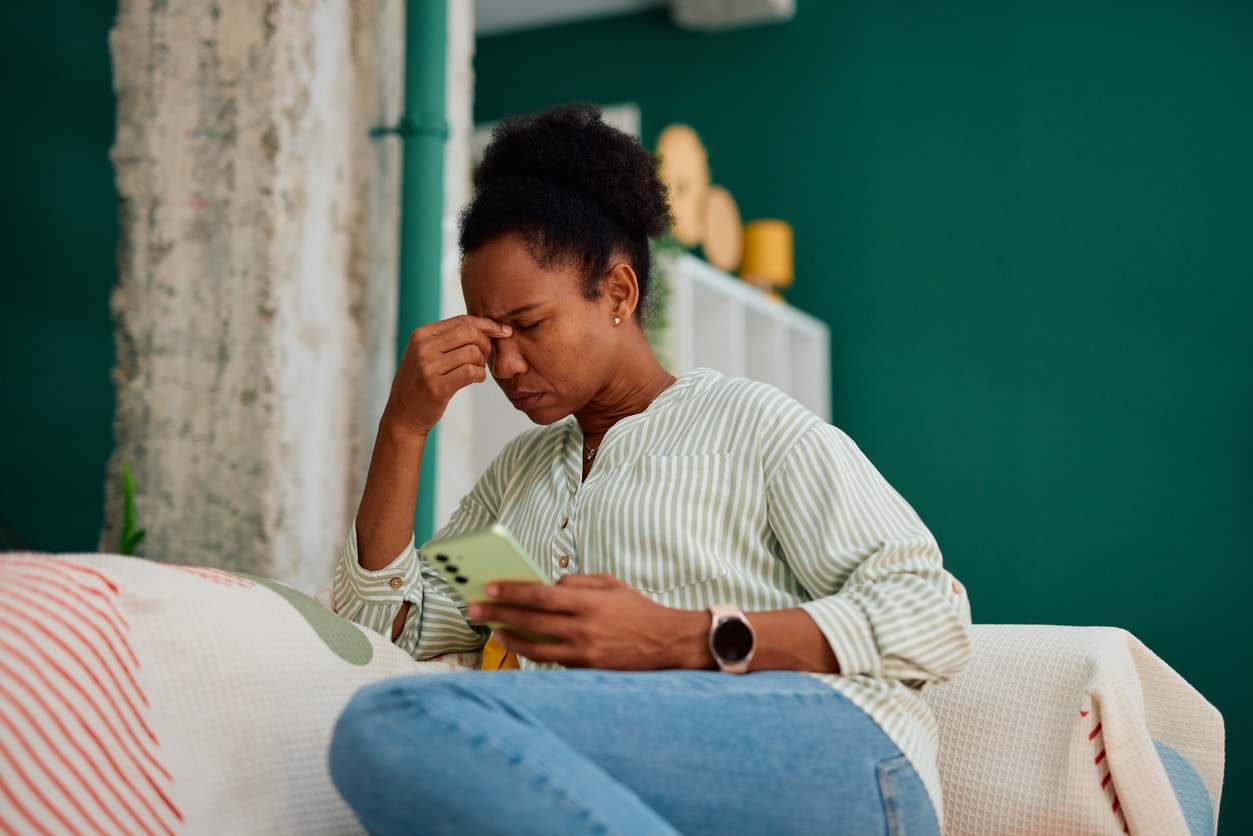
Migraines often intensify during perimenopause as hormone fluctuations make attacks more frequent, more severe, and harder to predict. Understanding how migraines differ from other headaches—and how hormones, triggers, and evidence-based treatments interact—is key to managing symptoms and finding effective relief during the menopause transition.
Written by Simona Byler

Reviewed by Dr. Jaclyn Piasta
Monarch Health
While they can happen at any stage of life, migraines are a common complaint during the menopause transition. Hormone fluctuations and other menopausal symptoms can make migraines more frequent, more intense, and harder to predict.
Let’s discuss migraines and menopause: what they are, what causes them, and how treatments can help.
How common are migraines?
When it comes to migraines and other types of headache pain, people born with ovaries have it rough. Women are more than three times more likely than men to experience migraines, and they’re the fourth leading cause of disability among women .
Migraines and perimenopause have a particularly complex relationship. During the menopause transition, migraine prevalence increases, and it becomes more common to have 10+ days of headache pain per month .
By the end of the menopause transition, around 40% of women have had a migraine . But what exactly is a migraine, and how is it different from other headaches?
Is my headache a migraine?
If you’ve ever experienced a migraine, you know it’s more than “just a headache”. Migraines are a complex condition that happens when your central nervous system is dysregulated. This dysregulation causes recurring, long-lasting headaches and other uncomfortable symptoms .
Wondering if your headache qualifies as a migraine? Typical characteristics of migraines include :
Moderate to severe headache pain that lasts 4-72 hours
Sensitivity to light and sound
Nausea and/or vomiting
Worsens with normal physical activity
Different types of migraines exist, including:
Menstrual-related migraines: These migraines happen during the menstrual period, often bring nausea and vomiting, and account for about half of all total migraines .
Migraines with aura: About 20% of all migraines are with aura, or visual disturbances preceding a migraine attack .
Migraines without aura: About 80% of all migraines are without aura, and these are typically associated with hormonal causes .
What causes perimenopause headache pain?
Headache pain comes in several different forms, each with its own triggers and contributing factors. The three main headache types are:
Migraines
Tension headaches
Cluster headaches
People of all genders suffer from all types of headaches, but women are particularly susceptible. Why? Hormones, of course! Population data suggest that hormonal changes may affect when headaches start and how long they last .
With that in mind, let’s discuss these headaches and their causes.
Migraine causes
Estrogen plays a complex role in migraine occurrence, which helps explain why women are over three times more likely than men to experience migraines .
Women are especially vulnerable to migraine attacks when estrogen levels decrease suddenly, which happens :
During the menstrual period
After giving birth
During the menopause transition
After surgical menopause
The menopause transition can make migraines more frequent and more intense, and 8-13% of women with migraines experience their first attack during perimenopause . This may be largely due to fluctuating estrogen levels, but other menopausal symptoms can also contribute to migraine attack frequency. Potential migraine triggers include :
Stress
Anxiety and depression
Sleep disturbances
Stress is the most common migraine trigger, and it can kick-start a vicious cycle: stress triggers a migraine, which makes you more stressed, and potentially leads to chronic migraines .
Migraine attacks usually—but don’t always—improve after natural menopause, as symptoms ease and hormone levels stabilize .
Tension headache causes
While postmenopausal women experience fewer migraines, this doesn’t mean headaches stop entirely. Postmenopausal people may notice a change in the characteristics of their headaches, as tension headaches become more common during and after the menopause transition .
This increase may happen because common menopause symptoms are also common tension headache triggers. These triggers include :
Stress
Fatigue
Sleep disturbances
Like migraines, fluctuating hormones may play a part in tension headaches, and women are 1.5 times more likely to experience them than men . The menstrual cycle, pregnancy, and the menopause transition can all influence how and when tension headaches occur. All of this said, we need more research to understand their exact causes .
Cluster headache causes
The majority of women who suffer from cluster headaches experience their first attack during the menopause transition. Researchers assume that hormonal fluctuations, namely estrogen withdrawal, increase the prevalence of cluster headaches, but we understand the causes and triggers of these headaches the least .
Migraine treatment options
Migraine treatments can take many different forms: preventative medicines, acute treatments for when you already have migraine symptoms, hormonal and non-hormonal treatments, and non-pharmacological options.
During the menopause transition, it’s important to take a multi-pronged approach to both migraine prevention and treatment . This is especially true if you suffer from menstrual migraines; irregular cycles during perimenopause make it difficult to manage migraines by taking medication before your period, and you may need daily migraine medication .
Reach out to your healthcare provider to discuss your symptoms and to determine which treatment route is best for you.
Non-hormonal medications
In general, non-hormonal migraine prevention medication remains the same regardless of your menopausal status . Common migraine prevention options include blood pressure medication, epilepsy medication, and antidepressants . Reach out to a migraine specialist to review all your treatment options, as they may prescribe a newer medication to help with migraines, such as Nurtec or Emgalty.
Some of these treatment options are especially beneficial for those in perimenopause and menopause, as they can help relieve other common menopausal symptoms . These medications include:
Venlafaxine: helps with anxiety and depression
Gabapentin: reduces hot flashes
Paroxetine: FDA-approved to treat hot flashes
Escitalopram: helps with mood disorders
If you’re already experiencing migraine symptoms, acute treatments can help. Common options to stop migraine pain include NSAIDs, such as ibuprofen, and triptans .
Hormonal medications
Certain hormone therapies can also help prevent migraines, especially for those experiencing hormone-related migraines . These medications work by counteracting the drop in estrogen levels that commonly triggers migraine symptoms .
Doctors may tailor your prescription to specific times during your menstrual cycle to increase its effectiveness, and they may prescribe these medications in addition to other preventative therapies .
Hormonal medications for migraine prevention include :
Estradiol gel
Birth control pills
Menopausal hormone therapy
Behavioral changes
Like with many other conditions, both medication and lifestyle changes are important aspects of migraine management. Healthy habits that can help with migraines include :
Getting enough sleep
Exercising regularly
Staying hydrated
Avoiding excess caffeine
Avoiding triggers such as perfume, tobacco, and alcohol
Managing your stress levels can also help keep headache pain at bay, though that’s easier said than done! Consider trying relaxation techniques, such as breathing exercises and massage, to your migraine prevention toolkit .
Find migraine relief with tracking
While migraines tend to improve after you officially reach menopause, that doesn’t mean you have to wait around for relief! Tracking your migraine attacks—when they happen, how long they last, and what triggers them—can help you understand and stay ahead of your symptoms.
After tracking, perhaps you notice that your migraines always follow a bad night’s sleep. This information can motivate you to improve your sleep hygiene, and then track if these changes influence your migraine symptoms.
Tracking can also help you see if your migraines improve after starting a new treatment intervention. Sharing this tracking data with your healthcare provider can allow them to adjust your prescription if needed, getting you the migraine relief you deserve.
Questions to ask your provider
Whether it’s your first migraine or your fiftieth, you shouldn’t have to suffer through the pain. Talk with your healthcare provider about both your migraine and perimenopausal symptoms to see if treatment options can help. Here are a few questions to consider asking at your next appointment:
I’ve dealt with menstrual migraines for years, and now that my periods are irregular, I can’t rely on my usual prevention techniques. Can we discuss my options for daily migraine prevention treatment?
I’ve been tracking my headache pain for several months now, but I’m having a hard time figuring out what’s triggering it. Can I show you my data and get your opinion?
I’ve done my best to cut out caffeine and other potential migraine triggers, but I’m still struggling with my symptoms. Can we discuss treatment options that could work for me?
DISCLAIMER
This article is intended for educational purposes only, using publicly available information. It is not medical advice, and it should not be used for the diagnosis, treatment, or prevention of disease. Please consult your licensed medical provider regarding health questions or concerns.
Want support through the transition?
Sign up for early access to Amissa and stay informed as we grow.