Advancing menopausal care with continuous data
Until recently, clinical care was guided by episodic data: blood pressure readings, lab tests, and patient-reported symptoms collected during infrequent visits. While valuable, this data doesn’t capture the whole picture of a patient’s health.
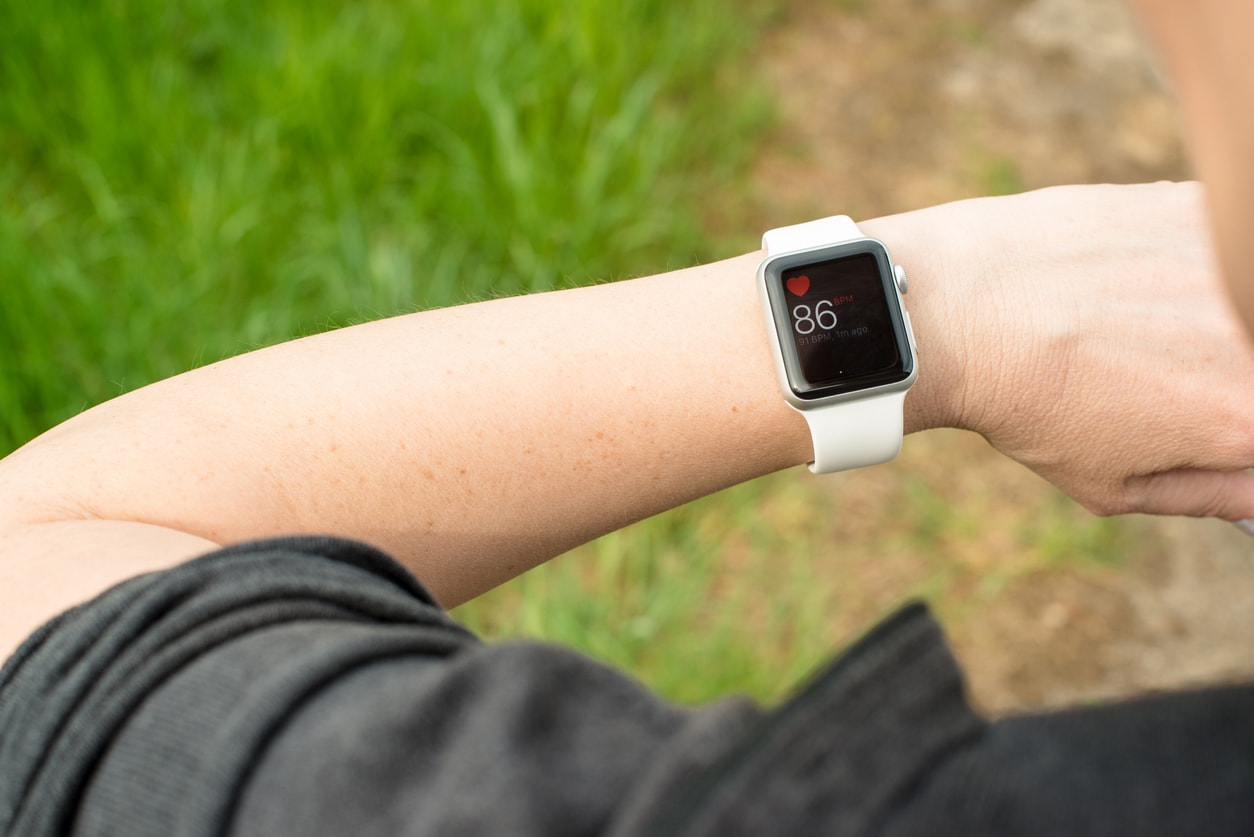
Modern consumer wearables, such as the Apple Watch, Oura Ring, and Garmin smartwatches, help close this information gap. Wearables continuously monitor heart rate, heart rate variability (HRV), sleep, activity, and temperature. This information offers clinicians a more complete understanding of how patients feel day to day and respond to treatment.
Reimbursement for traditional remote patient monitoring (RPM) is limited. When compared with FDA-cleared medical devices, consumer wearables are more accessible, affordable, and already used by many patients. This makes wearables both patient-friendly and clinically valuable, as they enable proactive, data-informed care that complements—but doesn’t replace—traditional medical assessments.
By shifting from one-off data points to continuous monitoring, wearables help clinicians spot trends, respond to baseline deviations, and tailor treatment plans. Personalized, data-driven care is especially crucial during times of distinct hormonal change—most notably perimenopause and menopause.
Is consumer wearable data reliable?
Solid, reliable data is the foundation of personalized perimenopause and menopause care. Amissa only supports consumer wearable devices that provide accurate, consistent data and are well-validated for the biometrics we collect.
How do Amissa-supported wearable devices stand up to research-grade wearables?
Top-tier consumer wearables now perform at or near research-grade levels for key measures, including sleep duration, heart rate, and HRV. Most notable results include:
The Oura Ring Generation 3 shows 94% sensitivity and 91% overall accuracy compared with polysomnography, the sleep study gold standard. It nearly matched trained sleep technicians in four-stage sleep classification, reaching 79% agreement.
With over 250,000 participants, the Apple Heart and Movement Study showed that the Apple Watch reliably captured real-world heart rate metrics and behavioral patterns.
Consumer wearables aren’t fully equal to clinical or research-grade devices for every metric, especially for fine-grained measurements. However, they’re easier and more convenient to use, and multi-device validation studies have reinforced this trade-off between accuracy and accessibility. Even with this trade-off, consumer wearables remain highly useful tools for tracking health trends and baseline deviations in real-world settings.
Enhancing clinical decision making for menopause providers
Amissa’s mission is to help clinicians deliver data-informed menopause care. Wearables provide a valuable additional data stream, expanding the clinician’s toolbox. By filling the gaps between visits, lab results, and symptom fluctuations, wearable data is transforming how clinicians monitor and understand patient health.
Wearables provide continuous context, helping clinicians:
Better interpret patient-reported symptoms
Make data-informed treatment adjustments
Quickly spot deviations that may require additional evaluation
How Dr. Ariel Haddad leverages wearable data in menopause care
Wondering how other clinicians are using wearable data in their practices? In her webinar, Dr. Ariel Haddad, member of the Amissa Medical Advisory board and founder of Helia Health, walked us through how she uses Amissa and wearable data to guide treatment adjustments, validate symptoms, and manage complex menopause cases.
Leveraging Data for Enhanced Menopause Care: Insights from Dr. Ariel Haddad
As wearables track a patient’s biometrics, Amissa transforms this incoming data into clinically meaningful, actionable patterns. This allows her to:
Connect physiologic markers and perimenopausal symptoms: Wearable-detected biometric changes often line up with more severe symptoms, anxiety, or cycle-related shifts. This data helps Dr. Haddad understand her patient’s symptom patterns and determine underlying causes.
Monitor treatment response in real-time: With wearable data, Dr. Haddad can track how her patients respond to interventions within days, allowing her to adjust treatments more quickly and confidently.
Detect early warning signs that need follow-up: Wearable data helps Dr. Haddad notice when a patient’s heart rate, HRV, or sleep starts to change for the worse—and if they need further evaluation.
Connect symptoms to lifestyle patterns: By monitoring wearable data, Dr. Haddad can see how a patient’s sleep, stress, and activity levels affect their symptom severity. This allows her to give more personalized counseling so her patients feel seen, validated, and supported.
Clinical value of wearables: key takeaways
Consumer wearables are validated, easy to use, and automatically track multiple biometrics, ensuring reliable, continuous data without extra effort. To date, no home medical device has been shown to outperform them, making wearables a clinically meaningful tool that enhances modern care delivery.
Want support through the transition?
Sign up for early access to Amissa and stay informed as we grow.