 MAB Reviewed
Why Menopause Makes Your Breasts Hurt (And What You Can Do About It)
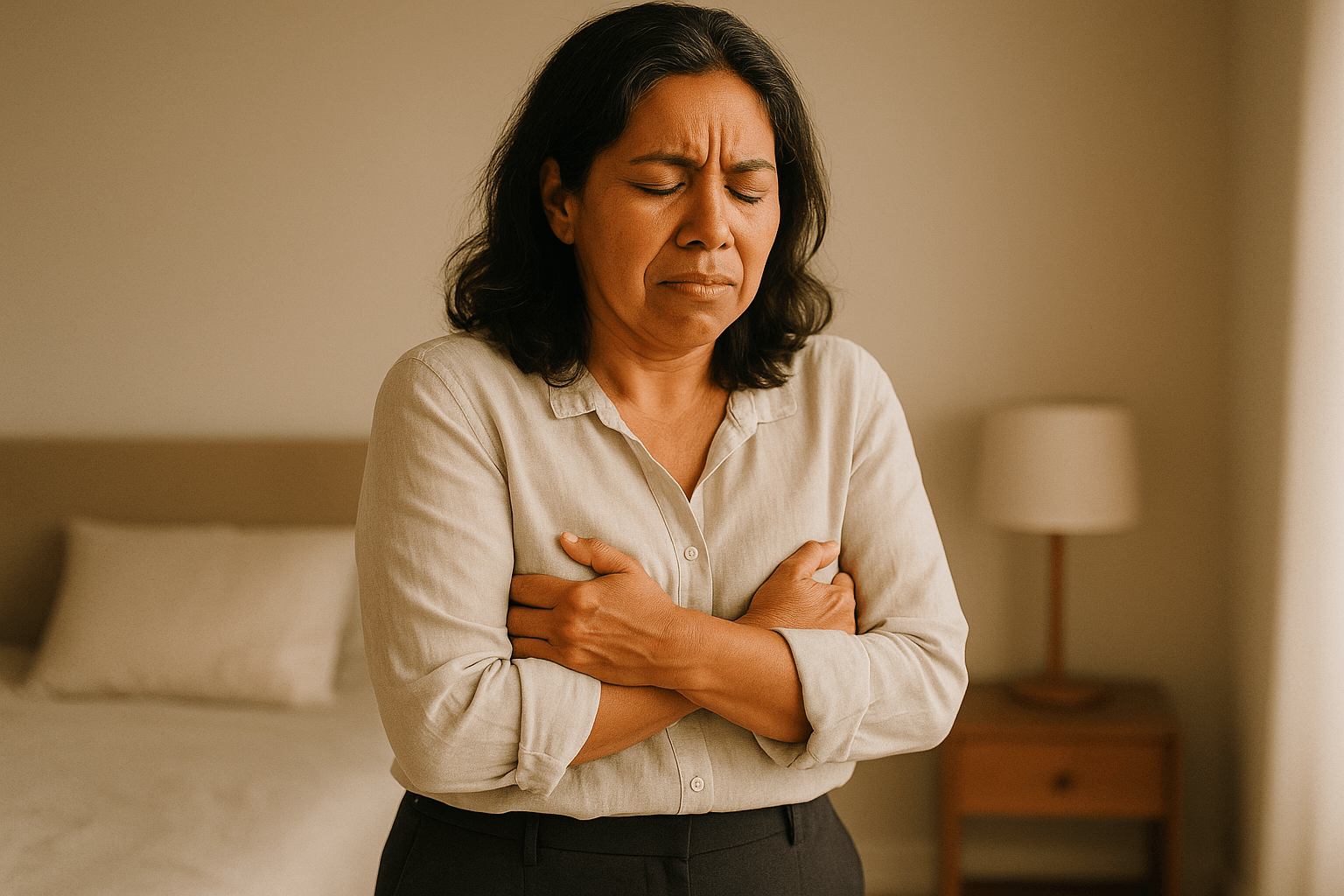
Breast pain is common in the menopause transition, often caused by hormonal changes but sometimes linked to other factors. Symptoms can range from mild aching to severe burning or tightness, and while it’s rarely tied to cancer, it’s important to track changes and talk with your provider. Understanding the type of pain can help identify triggers and guide effective relief strategies.
Written by Simona Byler

Reviewed by Dr. Ariel Haddad
Founder, Helia Health
Breast pain is a common symptom during the menopause transition, but it might be a feeling you’re already familiar with. Whether it’s your first or fiftieth time experiencing this tight, aching discomfort, it’s not something you should ignore.
Let’s discuss everything you need to know about menopause and breast tenderness, including the different types of symptoms, possible causes, and how you can find relief.
What you should know about breast pain during menopause
If you’re dealing with sore breasts, know that you’re not the only one.
Breast pain, also called mastalgia or mastodynia, affects an estimated 70% of American women at some point during their lives, most commonly between the ages of 30 and 50 . While it can seriously impact your social, physical, and sexual activity, only 30% of those with breast pain discuss it with their doctors .
It’s important to know that breast tenderness is rarely linked to cancer, though that’s a common and understandable concern .
What does breast pain feel like?
Each person experiences pain differently, but it can be helpful to know what breast pain “typically” feels like so you understand what to watch out for. Many women describe the discomfort in their breast tissue as :
Dull, aching pain
A heavy or tight feeling
A burning sensation
Discomfort can range from mild to severe, and it can come in waves or stay consistent throughout the day. You may feel pain in one or both breasts, often in the upper and outer portions of the breast, and possibly in your inner arm.
How and when you’re feeling pain can depend on the type of breast pain you experience.
What are the types of breast pain?
Like most menopause symptoms, breast tenderness isn’t simple and straightforward! There are three types of breast pain, each based on when and where you feel pain, and other contributing factors such as perimenopause.
Talking to your healthcare provider and receiving a breast examination can help determine which type you’re dealing with.
The three types of breast pain are :
Cyclic: The most common type, cyclic breast pain occurs in about two-thirds of affected women. As the name suggests, this type of pain is cyclical; hormonal changes during your menstrual cycle or perimenopause may contribute.
Noncyclic: One-third of breast pain cases are noncyclic, which means they’re not related to your menstrual period. Contributing factors include breast size, surgery, pregnancy, inflammatory conditions, and breast cysts.
Extramammary: While you feel it in your breast tissue, this kind of pain comes from sources outside of the breast, including the chest wall, lungs, heart, and esophagus (the tube through which you swallow food).
What causes menopausal breast pain?
Like many other menopause symptoms, pinpointing the exact cause of your breast tenderness can be difficult. However, the three types of breast pain have distinct contributing factors. Determining which type of pain you have can help you understand the cause, and vice versa.
Cyclic breast pain
Fluctuating hormones are the main cause of cyclic breast pain . Almost all stages of life come with hormone changes, making this the most common type of pain to deal with.
Periods of hormonal change that can cause cyclic breast pain include :
Your menstrual cycle
Pregnancy and lactation
Postmenopausal hormone therapy (HT)
Because hormonal fluctuations happen so regularly, doctors consider periodic breast tenderness to be normal. However, as many as 60% of those with cyclic pain have recurring episodes .
Tracking cyclic breast pain can help women in perimenopause who do not get a period due to an IUD or hysterectomy understand where in their menstrual cycle they may be. If breast pain is interfering with your life, reach out to your healthcare provider to discuss treatment options.
Noncyclic breast pain
Hormones aren’t typically involved with noncyclic breast pain, which makes identifying the cause a bit easier!
Changes in your body’s physical structure often lead to noncyclic pain, and it usually affects only one breast. It’s most common in women over age 40, many of whom are perimenopausal .
Causes of noncyclic breast pain include :
Breast cysts
Solid masses in the breast tissue
Ligament stretching due to large breast size
Blockages in the mammary ducts
Trauma or breast surgery
Blood clots
Breast malignancy—i.e., cancer—can be a contributing factor to noncyclic pain, but it’s rare: fewer than 5% of cases of noncyclic breast pain are due to breast cancer . So don’t panic, but don’t ignore your symptoms, either: consult with your healthcare provider and receive a breast examination to determine the cause of your pain.
Extramammary breast pain
Although you feel this type of pain in your breast tissue, it’s actually “referred” from other parts of your body or is due to . Certain hormone therapies (HTs) can cause extramammary pain, so it particularly affects peri- and postmenopausal people.
Physical conditions that can cause referred breast tenderness include :
Chest pain
Chronic acid reflux
Heart disease
Shingles
Gallbladder disease
Stomach disease
Does hormone therapy cause breast pain?
HT is a common and effective treatment option for relieving many menopause symptoms. For those with a uterus, the standard treatment plan is combined estrogen and progestogen HT .
Combined HT is associated with several benign—or non-cancerous—breast symptoms, including breast tenderness . Those who receive combined HT are much more likely to report breast pain than those who receive estrogen-only HT .
Talk to your doctor if you experience breast pain after starting hormone therapy, as it may be a sign that your plan needs adjusting.
How to relieve breast pain during menopause
If you’re dealing with breast tenderness, schedule an evaluation with your healthcare provider to identify the cause of your discomfort. You can then discuss which treatment methods best fit your situation and needs.
However, after speaking with your doctor, you may find that you don’t need additional treatment after all. Why? Because breast pain is very real, but cancer-related anxiety can have a powerful effect on pain.
After learning that their evaluations showed no signs of cancer :
Up to 85% of those who experience breast pain find that their pain improves.
20-30% find that their pain resolves on its own within three months.
Does this mean that your breast pain is all in your head? Absolutely not. Stress and anxiety upregulate your nervous system and the chemicals that control your pain tolerance. When you’re anxious, your body is primed to feel more pain .
For some, breast discomfort persists after initial evaluation and requires other interventions and treatment. Both lifestyle and pharmaceutical options can help.
Medication-free options
If you’re experiencing mild to moderate breast pain, your healthcare provider may recommend a few supportive lifestyle interventions before moving on to prescription medications.
Medication-free ways to reduce pain can include :
Bra sizing and selection: An estimated 70% of women don’t wear the correct bra size. Making sure your bra fits correctly and wearing a soft, supportive sports bra while exercising can help: these changes reduce the stretch on the ligaments that support your breasts and prevent breast soreness.
Diet: Certain foods and drinks may worsen breast pain, including saturated fats, chocolate, and caffeinated drinks such as coffee, tea, and some sodas.
Exercise: Getting more exercise—while wearing a supportive bra, of course!—can help with sore breasts by kickstarting the release of endorphins, pain-killing chemicals your body makes in response to exercise.
Relaxation techniques: Yoga, meditation, and other stress management techniques can help reduce the high levels of anxiety and depression associated with breast pain.
Supplements and natural remedies: Some supplements, like evening primrose oil or vitamin E, may help ease breast pain. Always check with your doctor before starting them to ensure they’re safe for you and won’t interfere with your other medications.
Medications
Over-the-counter painkillers, such as Tylenol or ibuprofen, are a first-line option for treating breast pain. These medications help up to 80% of people with breast soreness find relief. Using painkillers topically, either in a patch or a gel, can help you avoid adverse effects from oral pills, such as an upset stomach .
If over-the-counter medications and lifestyle changes aren’t relieving your breast pain, reach out to your doctor to discuss possible prescription treatment options.
Deciphering your breast pain with tracking
Wondering if the pain you’re feeling is cyclical, noncyclical, or something else? Tracking helps you gather the information you need to figure it out!
Details you can track include:
Whether pain occurs in one breast or both
If pain happens at a certain point in your (possibly irregular) cycle
If the pain is worse after drinking coffee or eating certain foods
If starting combined HT affected your breast pain
With so many contributing factors, tracking your breast pain can help you understand and avoid your pain triggers. This common perimenopausal symptom can also cause a lot of anxiety; tracking allows you to notice changes and know when it’s time to reach out to your doctor.
Questions to ask your provider
Talking with your doctor about your menopausal breast pain is essential, especially if you’re concerned about your risk of cancer. Consider asking the following questions at your next appointment:
I’ve dealt with breast tenderness before, but is it possible that the cause of my pain is different now that I’m perimenopausal? What do you suggest we do to find out?
As you know, I started taking combined hormone therapy to help with my symptoms, and I’ve been tracking my breast tenderness ever since. Can I show you this data and get your opinion?
I’ve been using OTC painkillers to help with my breast pain, but it’s still getting in the way of my daily life. Can we discuss my other treatment options?
DISCLAIMER
This article is intended for educational purposes only, using publicly available information. It is not medical advice, and it should not be used for the diagnosis, treatment, or prevention of disease. Please consult your licensed medical provider regarding health questions or concerns.
Want support through the transition?
Sign up for early access to Amissa and stay informed as we grow.