 MAB Reviewed
How to Stop Your Menopausal Symptoms From Making You Anxious
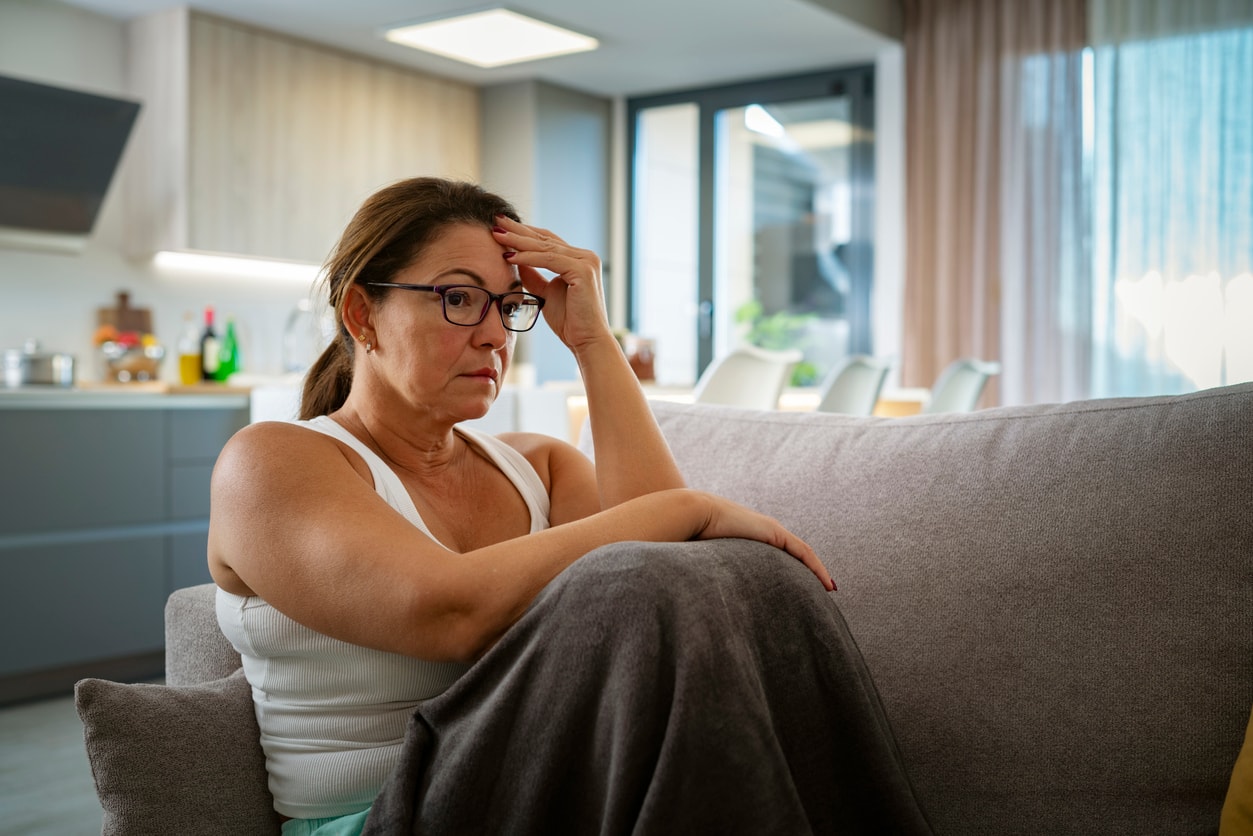
Anxiety often increases during perimenopause as hormonal shifts affect mood-regulating brain chemicals like serotonin and GABA. These changes, combined with sleep disturbances and stress, can intensify both physical and emotional symptoms. Tracking patterns and responses to treatments like CBT, mindfulness, or medication can help you better manage anxiety and find relief.
Written by Simona Byler

Reviewed by Dr. Jaclyn Piasta
Monarch Health
Perimenopause and anxiety are certainly not strangers. In fact, many women notice an increase in anxious thoughts or mood changes during this time. Generalized anxiety disorder is one of the most common mood concerns seen in the menopause transition, and it can take a toll on your relationships, career, and sense of well-being .
Wondering what causes this increase in anxiety symptoms, and what you can do to treat them? Read on as we discuss the key details of menopause-related anxiety.
What causes menopause anxiety?
While there’s no separate diagnosis for “menopause anxiety disorder”, it’s true that the menopause transition and anxiety have a complicated relationship.
Complex changes in your central nervous system lead to common menopause symptoms, such as hot flashes, depression, and anxiety . These symptoms are often related and can build on each other. Consider:
Hot flashes and sleep disturbances can make anxiety and mood disorders worse .
Physical symptoms of anxiety, such as chest tightness or heart pounding, may increase your risk of hot flashes .
While they’re rarely the only factor at play, hormonal changes during the menopause transition can influence anxiety. Specifically, shifting levels of estrogen and progesterone affect mood-regulating brain chemicals like serotonin and GABA .
It’s important to remember that menopause isn’t the only cause of anxiety: socioeconomic factors, mental health history, and physical well-being can all increase your risk of mood disorders .
Who does menopause anxiety affect?
Anxiety can affect anyone, and research shows that many women experience it during midlife. About 4 in 10 women report mood symptoms during perimenopause, and a 2023 study found that 15% to 50% of peri- and postmenopausal women experience issues such as anxiety, depression, forgetfulness, and insomnia .
These symptoms often fluctuate throughout the menopause transition and may shift again after menopause, reflecting the complex connection between hormones, stress, and emotional health . The menopause transition may make symptoms worse for some, while others first experience anxiety during midlife .
Regardless of which camp you fall into, treatment options and tracking your symptoms can help.
How tracking can help ease anxiety
With so many contributing factors, it can be difficult to identify what causes, triggers, and eases your anxiety. However, tracking can help solve the mystery.
Tracking can help you recognize patterns in your mental health symptoms, allowing you to target the underlying causes of anxiety when possible. For instance, tracking may help you notice a spike in anxious thoughts after a night of poor sleep due to night sweats. Recognizing these connections gives you and your healthcare professional valuable insight to guide your treatment plan.
There are many possible treatment options for anxiety: antidepressants such as SSRIs and SNRIs, hormone therapy, cognitive behavioral therapy, and mindfulness practices . Tracking how your symptoms respond to these treatments is a valuable tool, as it helps you know if it’s working as intended, or if you could benefit from a different option.
Taking care of your mental health is a lifelong journey. Remember to treat yourself with patience and self-compassion, and seek support whenever you need it.
DISCLAIMER
This article is intended for educational purposes only, using publicly available information. It is not medical advice, and it should not be used for the diagnosis, treatment, or prevention of disease. Please consult your licensed medical provider regarding health questions or concerns.
Want support through the transition?
Sign up for early access to Amissa and stay informed as we grow.